
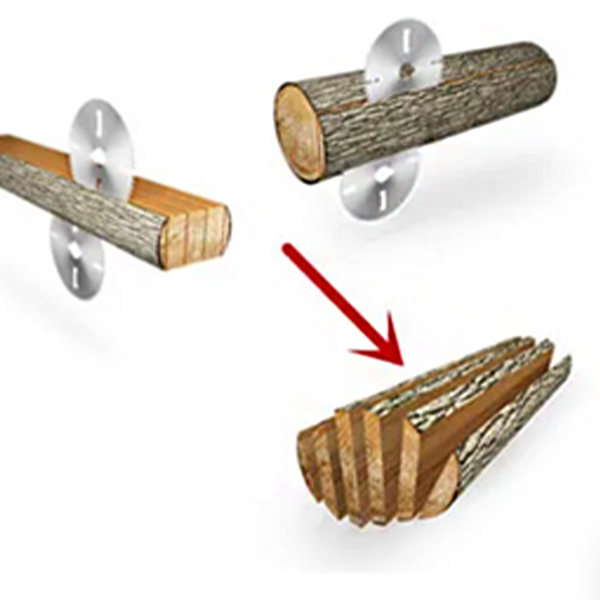
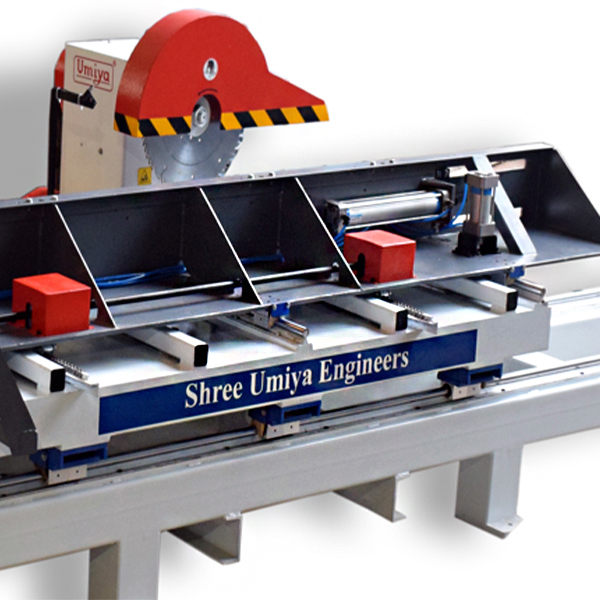
Log Single Rip saw
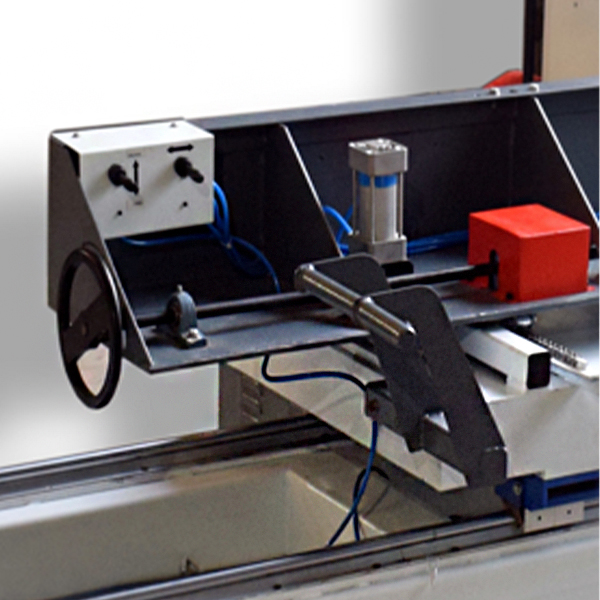
Log Positioning and Clamping: Accurate log positioning is essential for making straight cuts. The saw typically features hydraulic log clamps or mechanical arms that hold the log securely in place while it’s being cut.
Roller Conveyors: Some models include roller conveyors to assist with the movement of logs into and out of the saw, ensuring smoother operation in a continuous workflow.
Blade Size and Power: The size of the blade typically ranges from 30 inches to 60 inches in diameter (for circular saws), with the blade driven by a high-power motor. The motor can range from 20 HP to 150 HP, depending on the saw’s size and the type of material being cut.High Cutting Speed: These saws are designed to achieve high RPMs to ensure that they can slice through logs with minimal effort, maximizing productivity in industrial applications.
TECHNICAL SPECIFICATIONS:
| Description | Parameter |
|---|---|
| Max Working Diameter or Thickness | 300 mm |
| Max Working Length | 24400 mm (Can Be Customized) |
| Min Working Length | 450 mm |
| Top Spindle Power | 12.5 HP |
| Bottom Spindle Power | 15 HP |
| Total Power | 27.5 HP |
Images
The most important highlights at a glance
Features
- Saw Mills: The primary application of the Log Single Rip Saw is in sawmills, where logs are processed into planks, boards, and other wood products.
- Wood Processing: For industries that require lumber or plywood, the Log Single Rip Saw is used to make rough cuts to the logs before the wood is further processed.
- Construction: In the construction industry, logs are often ripped into beams, timber, and other structural components.
- Furniture Manufacturing: For businesses that manufacture wood furniture or custom cabinetry, the Log Single Rip Saw helps in the initial stages of converting logs into usable wood planks.